DRC Richebourg: How Producers and Vintages Express the Same Terroir
Richebourg Grand Cru is one of Burgundy's most celebrated red-wine sites. Unlike the Romanée-Conti and La Tâche monopoles, it has several owners; D...

In This Article
1. Richebourg's Two Climats and DRC's Art of Blending Their Expressions
Richebourg Grand Cru lies in the heart of Vosne-Romanée. Pebbly clay and sand sit over hard limestone, providing effective drainage. Official records divide the grand cru into two climats: Les Richebourgs, 5.05 hectares, and the higher, more northerly Les Verroilles ou Richebourg, 2.98 hectares.
Terroir specialists note subtle mesoclimate differences. East-facing Les Richebourgs receives more direct sun and often ripens slightly earlier. Les Verroilles has a more north-easterly orientation and sits closer to the cool influence of the combe; that may be advantageous in hot years and can contribute more apparent acidity and mineral character.
DRC is the largest landholder, with 3.51 hectares across both sectors—approximately 2.5 hectares in Les Richebourgs and 1 hectare in Les Verroilles. The domaine's approach to biodynamics combines separate attention to the parcels before bringing their expressions together in a layered, harmonious Richebourg.

2. Two Winemaking Approaches: Whole Bunches vs Destemming
One of the clearest stylistic differences among Richebourg producers is how they use stems:
-
DRC and whole-bunch fermentation: DRC is strongly associated with whole-bunch fermentation, and the source describes maturation in 100% new oak. The exact whole-bunch proportion can depend on the wine and vintage, so it should not be assumed from reputation alone. Stems can add tannic structure and airy, tea-like or floral-like notes. Critics have called DRC Richebourg pure, elegant, rich, monumental and "an iron fist in a velvet glove". It may seem reserved when young, then reveal more complexity and depth with age.
-
Méo-Camuzet and destemming: In contrast with DRC, Méo-Camuzet (M-C) reflects the legacy of its former tenant Henri Jayer. Jayer strongly favoured 100% destemming and argued that stems could make a wine seem confected. The current domaine has continued that tradition while experimenting with small proportions of ripe stems; it found that too much could diminish the wine's characteristic charm. Its Richebourg is therefore often described through what the source calls "more bright fruit vigour", together with an open, elegant and refined style.
The contrast can divide tasters. Some prefer DRC Richebourg for muscular power and a "unique bouquet"; others favour Méo-Camuzet for greater accessibility and vivid fruit. Neither method establishes a superior wine across every vintage.
3. Vintage Imprint: How Power and Structure Change with Time
Richebourg, especially from DRC, is often expected to need at least 10 years before it begins to open and can develop for more than 20. These are broad drinking-window expectations, not assured outcomes for every bottle. Vintage conditions still shape each wine:
| Key DRC Richebourg Vintage | Style and Critical Context | Cellaring and Drinking Context |
|---|---|---|
| 1990 | A celebrated benchmark vintage. Dense and rich, with a "velvety-textured" palate and intense aromas of spring flowers, black fruit and liquorice. Critics note "incredible volume" and power. | The source describes it as approaching a mature plateau and quotes an estimate that it could continue for "another 50 years". That is a critic's drinking-window view, not an assured outcome; its historical auction average is reported as well above ordinary vintages. |
| 1996 | A vintage of high acidity and structure. Early tastings found it reductive and slightly stemmy, with "tannic hardness" and elements that had not yet integrated. | Firmly structured and expected to need extended cellaring for its tannins to soften. |
| 2005 | A leading vintage for power and balance. Intense, generous fruit and a still-stern structure, with distinctive Asian spices. It has been described as one of the strongest vintages of recent decades. | Considered capable of long development and, in one critic's view, potentially among the finest of the wines tasted. It is often watched closely by collectors and resale buyers, but no future market result is assured. |
| 2007 | A cool, elegant and debated vintage. Very pale in colour and relatively light in depth, with a style described as elegant, maturing and less concentrated than top years. | Potentially suitable for earlier drinking, though some critics find it lacks the depth expected of DRC Richebourg. |
| 2013 | Tightly built and highly concentrated. Yields were extremely low at 16.5 hl/ha. The palate is described as medium-bodied yet substantial, with sorbet-like freshness and a long, assured finish. | A serious wine expected to need considerable cellar time; one tasting note calls it a "self-aware" Richebourg. |
| 2020 | A long-distance vintage. Reserved aromas, exotic spice and black fruit lead to a very smooth yet almost painfully intense palate with a clear mineral foundation. Critics have called it a very long-distance runner. | Highly structured and concentrated, with an expectation of extended cellaring. |
4. A Collector's Final Question: Is the Wine Mature?
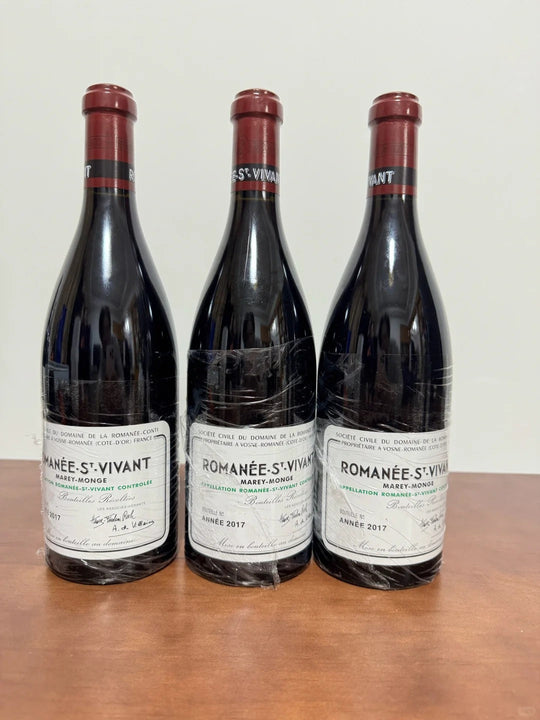
Richebourg is known for revealing its power and depth gradually. At one dinner comparing Richebourg with Romanée-Saint-Vivant (RSV), tasters characterised RSV through delicacy, femininity, seduction and perfume. Its earlier accessibility can make a young RSV the easier restaurant choice.
Once Richebourg reaches an appropriate stage of maturity, it can show remarkable complexity, intensity and richness. At that particular blind dinner, the guests strongly preferred Richebourg. One event illustrates the wine's potential after ageing; it does not prove a universal ranking. Richebourg is often a late-blooming wine. DRC Richebourg brings together the two climats and the domaine's historical preference for whole-bunch fermentation, associated with figures such as Aubert de Villaine. Decades later, a well-stored bottle may still show power and depth, but neither longevity nor market value is assured.

To apply the vintage-and-producer framework in this DRC Richebourg guide to an actual collection, prepare the vintages, bottle count, fill levels and clear label photographs, then use WhatsApp 96737259 to request an initial review.
Further DRC and Burgundy References
- A companion comparison: Richebourg and La Tâche in the Burgundy secondary market – Adds vintage, bottle-condition and demand factors relevant to DRC.
- Further vineyard context: Richebourg and its leading producers – Helps compare estate style with vineyard identity in the secondary market.
- A related market guide: La Tâche's monopole status and secondary-market liquidity – A useful cross-reference when reviewing a Burgundy collection.
- Additional dated context: the 2026 market discussion around Richebourg within the DRC portfolio – Adds market reasoning to the vineyard and vintage discussion.
Send label, vintage, volume, capsule and fill-level photos. Di Bao Wine will review the visible condition and current demand.