
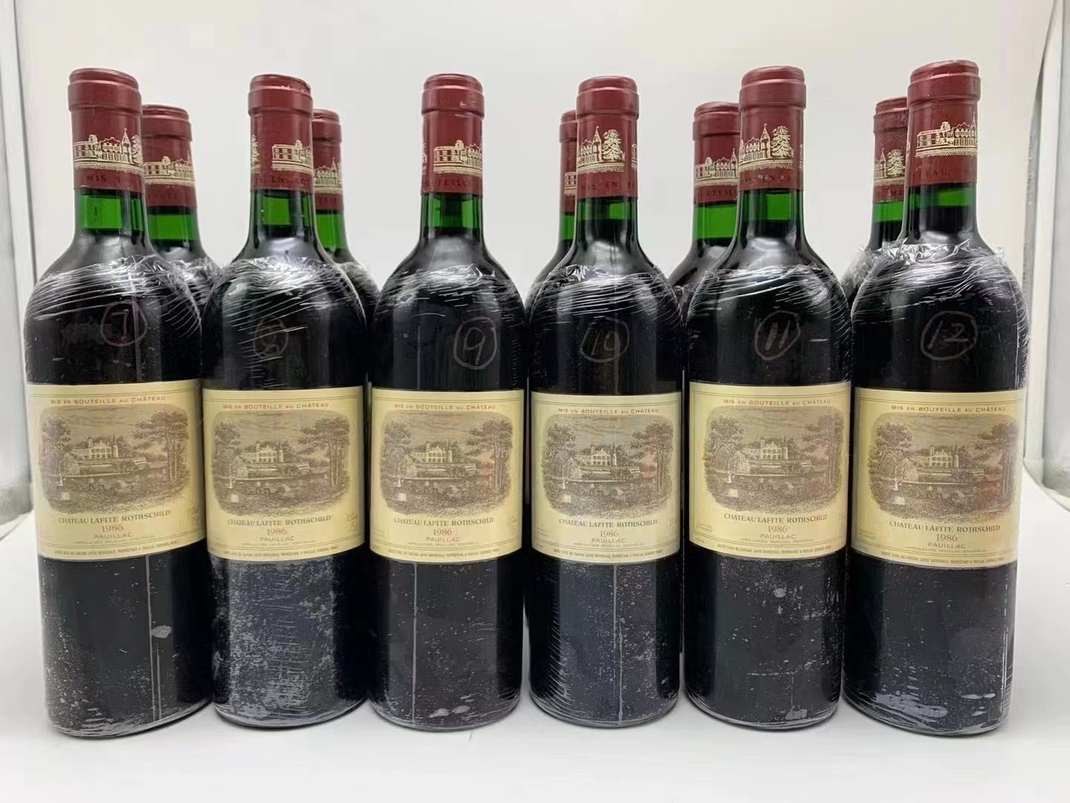


Château Lafite Rothschild is one of the most recognisable Bordeaux First Growths and one of the wines most frequently submitted for valuation. Recognition does not mean every vintage has the same value, and the main wine and Carruades de Lafite follow different valuation logic.
Demand has remained established for vintages such as 1982, 1996, 2000, 2005, 2009 and 2010. More recent or less celebrated vintages depend more heavily on available supply, storage condition and original-case status. Counterfeit Lafite is also present in the market, making provenance checks important.
When Dibao Wine reviews Lafite, we first distinguish the main wine from the second wine, then record bottle size and vintage before checking fill level, label, capsule and back-label details. Owners can begin with photographs without taking the bottles out of storage immediately.
Four core factors in a Lafite valuation
Lafite has a transparent market, but price differences can still be substantial. The following factors can materially affect a quotation.
| Grand vin (main wine) or second wine | Château Lafite Rothschild and Carruades de Lafite have different market values and should be assessed separately. |
| Vintage differences | Classic vintages such as 1982, 2000, 2009 and 2010 generally command more interest than ordinary years. |
| Authenticity risk | Label printing, bottle details, the capsule and provenance records all require review. |
| Original-case condition | An original wooden case (OWC), several bottles from the same parcel and storage records can strengthen buyer confidence. |
Lafite valuation and handover in Hong Kong
We first use photographs to indicate a valuation range, arranging a physical inspection only if that range is suitable. For mature or high-value vintages, fill level and signs of seepage receive particular attention so that expectations are not based on retail asking prices alone.
- Photograph the front label, back label, top of the capsule and fill level clearly.
- If there is an original wooden case or a six-bottle outer case, photograph it as well.
- When selling the main and second wines together, list each vintage and quantity separately.
Related Lafite references
If you hold Bordeaux First Growths or a larger mixed parcel, the following pages provide useful comparisons.
- Sell Château Margaux wine: another First Growth, with a different style and buyer profile.
- Sell Château Latour wine: useful for comparing longer-term collectable First Growth demand.
- Sell leading fine wine: First Growths, Right Bank estates and Burgundy wines can be assessed in one mixed enquiry.
- Lafite condition and value guide: how fill level, label and storage condition can affect value.
Château Lafite Rothschild vintages and market reference
The following vintage guide helps owners distinguish high-demand years, steadily traded years and bottles that require closer condition-led assessment. It is only a starting point; any valuation still depends on provenance, fill level and label condition.
| Vintage | Vintage rating | Market interest and valuation trend | Collecting note |
| 1982 | ★★★★★ (legendary vintage) | Very high | One of Lafite's most representative vintages, described in historical market commentary as commanding very high valuations and sustained demand. |
| 1986 | ★★★★★ | High | A Robert Parker perfect-score vintage with exceptional ageing potential and substantial collectable interest. |
| 1996 | ★★★★★ | High | A classic Left Bank Bordeaux vintage now within its drinking window, with historical market commentary describing a firmer acquisition market. |
| 2000 | ★★★★★ (millennium) | Very high | The millennium vintage has commemorative significance and a distinctive label, making it popular for gifts and collections. |
| 2003 | ★★★★ | Medium-high | A representative hot-year vintage with a rich style and a following among some collectors. |
| 2005 | ★★★★★ | High | A widely recognised great vintage with substantial structure and steady market interest. |
| 2008 | ★★★★ | Medium-high | Its bottle shoulder carries an embossed red Chinese character for ‘eight’, a feature that has attracted interest from Asian buyers, particularly Chinese collectors. |
| 2009 / 2010 | ★★★★★ | Very high | Two leading modern vintages with several perfect scores, described in historical market commentary as strong for collecting and resale. |
| 2018 / 2019 | ★★★★ | Steady | Strong recent vintages suitable for longer-term cellaring or a current sale enquiry. |
| Ordinary vintages | ★★★ | General | Years such as 2013 and 2011 may command less than the leading vintages but retain a stable First Growth market. |
Local valuation and handover notes
In a Hong Kong wine acquisition, the priority is not simply a famous name but a shared understanding of transaction risk. Dibao Wine first reviews photographs and arranges a physical inspection only once the submitted details indicate that an in-person review is appropriate. If the condition matches the photographs, any change to the indicated range should have a documented reason.
Collectors on Hong Kong Island, in Kowloon, the New Territories and Macau can begin with photographs. For high-value estates, mature vintages or original cases, provenance and storage records are useful. A mixed parcel is separated into higher-value, readily traded and currently unsuitable bottles so the assessment remains clear.
For an initial indication, send the front label, back label, neck fill level, capsule and original-case details. More complete information supports a closer initial assessment. If the vintage or identity is uncertain, send photographs for preliminary review.


