Romanée-Conti Authenticity: Visible Clues, Red Flags and the Limits of Photo Review
A Romanée-Conti bottle may carry cultural, personal and substantial financial significance, while counterfeit or altered bottles remain a market co...

In This Article
For a fine-wine collector, owning a bottle of Romanée-Conti can carry cultural, personal and substantial financial significance. Counterfeit or altered bottles are a genuine market concern, but no short checklist can establish authenticity on its own. Dibao Wine outlines several visible points that may support an initial screen. They are version-specific clues, not proof: a conclusion requires physical examination, appropriate reference bottles or records, and a credible chain of provenance.

Screening a Romanée-Conti Bottle: What Visible Details Can and Cannot Tell You
Romanée-Conti is one of the world's most closely watched and expensive wines. Packaging, glass and security details can vary by vintage, market, bottling period and storage history, so comparisons must use an appropriate verified reference.
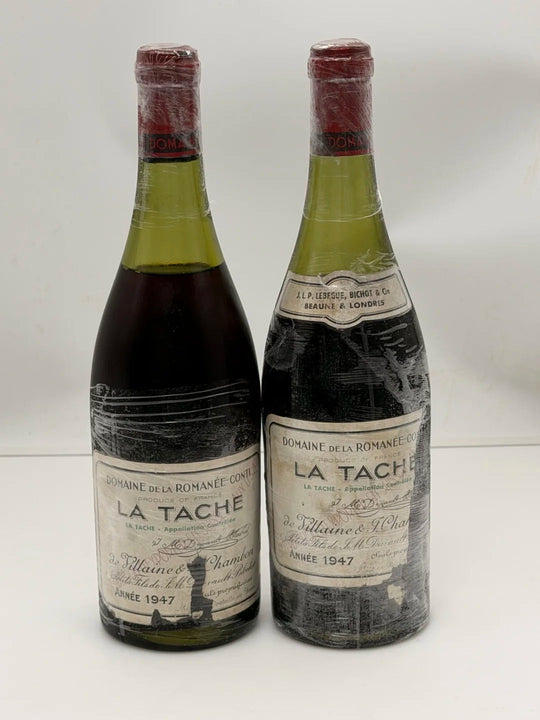
- Bottle shape and glass: Romanée-Conti bottles may show period-specific differences in profile, glass thickness, punt and mould marks. Clarity, seams, bubbles or minor imperfections should be compared with verified bottles from the same release; none of these features proves authenticity by itself.
- Label printing and paper: Romanée-Conti labels should be assessed for typography, colour, paper, printing method, cut and ageing consistent with the relevant vintage and market. Blurred text, spelling errors or inconsistent materials can justify further investigation, but a neat label is not proof of authenticity.
- Capsule and release-specific security details: The capsule and closure area can provide useful comparison points. Romanée-Conti capsule materials, embossing, markings and any security features are not identical across all years. Compare fit, print and estate marks only with reliable references for the same release; do not expect a laser mark or hidden pattern on every bottle.
- Fill level and sediment: Age can affect fill and sediment. An unusually high or low level, leakage, cloudiness or unnatural deposits may warrant closer review, but these are primarily condition indicators and cannot authenticate a bottle alone.

Dibao Wine: Initial Review and Its Limits
Assessing a Romanée-Conti bottle requires vintage-specific knowledge, physical evidence and provenance research; an image or single visible feature is not enough. Dibao Wine can be contacted about an initial bottle review. Do not assume that a photograph-based opinion authenticates a bottle: the packaging details of Romanée-Conti vary by year and release. Ask who will conduct any physical inspection, which references will be used and how the provenance chain will be checked.
Every bottle of Romanée-Conti has its own history and evidence. Any proposed purchase should therefore follow a documented, evidence-led and transparent process. If you are seeking a review or considering a sale, Dibao Wine can discuss the next steps and a bottle-specific quotation after the condition, provenance and review limits have been made clear. No opinion should be described as authoritative without identifying its scope and supporting evidence.
Protect a Valuable Bottle: Evidence Before Confidence
To apply the checks in this Romanée-Conti authenticity guide to an actual bottle, prepare the vintage, bottle count, fill levels, detailed photographs and provenance records, then use WhatsApp 96737259 to request an initial review.
Do not let either fear or a reassuring photograph replace evidence. Contact Dibao Wine and use these visible points only as an initial screen for your Romanée-Conti. A defensible conclusion still requires physical examination and provenance-chain evidence.
Start with clear photographs, then confirm the limits and evidence required for an in-person review.
Further Romanée-Conti Links
- Estate context for this authenticity guide: Explore Romanée-Conti: A Legend of the Wine World — Adds vintage, condition and market context without replacing bottle-specific checks.
- Market context for this authenticity guide: Why Is Romanée-Conti So Expensive? Market and Resale Context — Separates reputation and market price from the evidence needed to assess a particular bottle.
- A neighbouring Burgundy reference for this authenticity guide: Romanée-Saint-Vivant, Elegance and Market Value – A useful cross-reference when valuing a Burgundy collection.
- Condition context for this authenticity guide: Is Your Romanée-Conti Resting Properly? Cellar-Level Storage Guidance — Explains how storage evidence and physical condition affect a later review.
From This Guide to a Physical Handover
After reading this Romanée-Conti authenticity guide, begin with the physical evidence: confirm the vintage, check for seepage at the capsule, note label moisture or damage, assess the fill level and gather the provenance for every bottle in the group.
For Romanée-Conti in the Burgundy and secondary fine-wine markets, enquiries often reflect both producer demand and confidence in the bottle's condition. Neither factor proves authenticity, but incomplete evidence can prevent a transaction from progressing.
Collector's note: Any price or liquidity discussion in this guide must be read alongside the actual bottle. Fill level, capsule, label, storage and provenance records can all change a quotation.
Checks Before Discussing a Romanée-Conti Sale
If you are using this guide for a possible transfer or valuation, combine its market context with the bottle's physical and documentary evidence.
| Information to Prepare | Before enquiring about a related bottle, list the vintage, bottle count, format, storage location, original-case status and any purchase or ownership records. |
| Risk Checks | Disclose mould, a loose or leaking capsule, low fill or uncertain provenance at the outset. These issues require review and should never be hidden. |
| How to Communicate | Use clear photographs for an initial screen, then arrange a physical and provenance review if appropriate. This sequence can reduce unnecessary back-and-forth, but it does not turn the photo stage into authentication. |
In short, clear provenance, sound storage and identifiable market demand can support a more informed Romanée-Conti review. If evidence is incomplete, add photographs and storage records before considering a sale; never authenticate the bottle from appearance alone.
Send label, vintage, volume, capsule and fill-level photos. Di Bao Wine will review the visible condition and current demand.