DRC Bottle Review Guide: Numbers, Signatures and Capsule Clues
As a Hong Kong fine-wine buyer, Dibao Wine has learned through professional old-bottle review that Domaine de la Romanée-Conti, or DRC, is both a t...

In This Article
As a Hong Kong fine-wine buyer, Dibao Wine has learned through professional old-bottle review that Domaine de la Romanée-Conti, or DRC, is both a trophy name in global wine collecting and a high-value target for counterfeiting in the secondary market.
The source places 2026 within a structural recovery cycle and says DRC remains near the top of fine-wine price rankings. This guide combines source-described auction practice and buyback experience to examine bottle numbers, signatures and Capsule details. These are review clues, not a stand-alone authentication method.
1. Romanée-Conti: Market Position and Source-Period Value
The source cites a 2025 Liv-ex classification and describes DRC Romanée-Conti Grand Cru as the world's most expensive wine, with references above Bordeaux First Growths. Rankings and prices are dated, however, and the wine should not be described as cash-equivalent.
The following source table gives average 2025-2026 secondary-market references for core DRC wines, converted to HKD at the source's exchange rate:
Table 1: Source Secondary-Market References for Core DRC Wines (2025-2026)
| Grand Cru Wine | Source 2025-2026 Average (12-Bottle Case) | Source HKD Reference per Bottle | Source Scarcity Weighting |
|---|---|---|---|
| Romanée-Conti | £172,461 | About HKD 143,717 | Very high (10/10 in the source) |
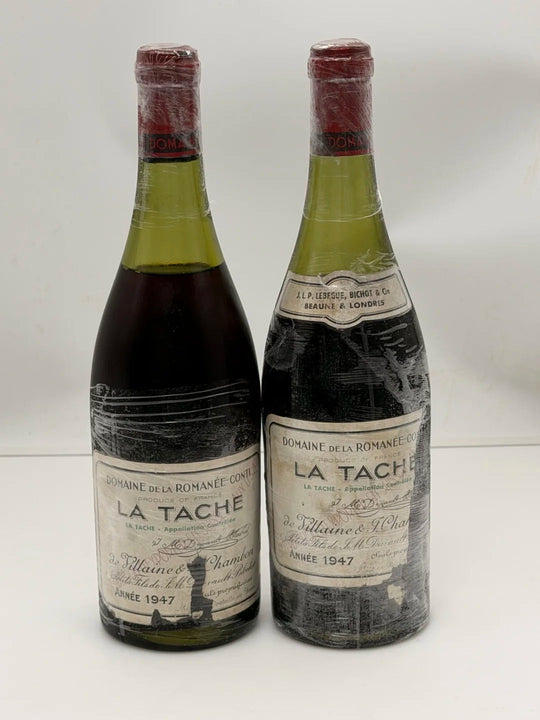
| La Tâche | £45,061 | About HKD 37,550 | Very high (10/10 in the source) |
| Richebourg | £31,960 | About HKD 26,633 | High (9/10 in the source) |
| Échézeaux | £23,775 | About HKD 19,812 | Medium-high (8/10 in the source) |
| Montrachet, dry white | £23,295 | About HKD 19,412 | Very high; the source calls it a rare dry white |
Note: these are source-period global secondary-market averages. Any quotation depends on vintage, condition, format and provenance and must be refreshed before use.

2. Three Groups of DRC Review Clues
DRC review requires close attention to period-specific detail. The source groups its discussion into bottle numbering, two signatures and Capsule marks. Each must be checked against reliable references for the exact wine and vintage.
1. Individual Bottle Numbering
Note: the following points are source-described industry practices rather than features directly documented in the supplied evidence. Treat them as review prompts only. The source says an individual bottle number appears near the bottom of a DRC label and can be compared with production records. Placement and numbering conventions must be verified for the exact wine and vintage.
- Printing: The source expects a clear number, even spacing and slight ink relief. Printing appearance alone cannot authenticate a bottle.
- Production Logic: A reviewer may compare a number with documented production. The source gives the example of a year with 5,000 Romanée-Conti bottles and says a number above 6,000 would be inconsistent. The actual production and numbering sequence must be verified before any conclusion.
2. Period-Specific Dual Signatures
The source describes two co-director signatures in the upper-middle area of the label and links them with the de Villaine family and, depending on period, the Leroy or Roch family. The expected signatories must be checked against a verified label reference for that vintage.
- Changes Over Time: Authentication work must account for historical signature combinations. The source notes that Aubert de Villaine's printed signature remained highly consistent over several decades, but consistency is not proof.
- Ink Detail: The source attributes characteristic fibre penetration and colour edges under strong light or magnification to the signature ink. This assertion requires a period reference and specialist interpretation.
3. Capsule Marks and Construction
The Capsule is another relevant area on an older high-value bottle.
- Microtext: The source says some modern-vintage Capsules may carry hard-to-see microtext or an estate symbol, described as a bell or crossed mark. Presence, absence and design must be checked against the exact release.
- Tin Capsule: The source describes DRC as using a substantial, malleable tin Capsule rather than brittle, inexpensive plastic. Material and feel are only supporting observations.
-
Coded Marks: The source says a discreet laser code may sometimes appear around the Capsule and neck, possibly indicating bottling date or batch. A code should be interpreted only against verified producer or release records.

3. The Weight of Physical Condition in a Professional Review
In a fine-wine buyback review, in addition to authenticity evidence, physical condition can materially affect a bottle-specific quotation.
- Ullage: For DRC wines with long ageing potential, the source prefers an Into Neck fill. A level at or below Mid-Shoulder warrants closer review for possible storage or closure concerns, but it does not by itself prove cork ageing, poor storage or internal oxidation.
- Label Condition: The label is an important identity and presentation element. Light mould or wear can occur in a humid cellar, but neither is proof of good storage. Large losses, heavy staining or illegible print can reduce collecting appeal and require closer review.
-
Provenance: Professional storage records, including Hong Kong bonded-storage documentation, or original purchase records can strengthen chain-of-custody evidence and buyer confidence. They do not authenticate the wine alone or guarantee a higher price.

4. Asking Dibao Wine to Review a DRC Bottle
Dibao Wine reviews rare fine wine for owners in Hong Kong, Macau and Taiwan. The service concerns bottle evidence and a possible sale; it should not be presented as investment advice or a universally superior result.
- Initial Photograph Review: Send clear photographs of the front and back labels, Capsule and Fill Level. With complete evidence and assessor availability, a preliminary, non-binding range may sometimes be provided within 15 minutes.
- Inspection Equipment: Specialist equipment may support non-destructive examination of the bottle, cork and ink. No equipment or single observation guarantees authenticity, fairness or a completed transaction.
- Settlement Options: If the owner accepts a quotation after physical verification, an on-site handover may be arranged in Hong Kong or Macau. Cash, FPS or bank transfer may be available; method, clearance, safety, timing and privacy are agreed for each transaction.
-
Market References: Dated London Liv-ex and Hong Kong auction references can inform a quotation. They do not establish an internationally superior price or a live executable bid.

Conclusion: Protect Value Through Evidence
The source treats 2026 as an important year for reviewing fine-wine holdings. Whether an owner has DRC Romanée-Conti, La Tâche or Domaine Leroy, understanding period-specific authentication clues can help prepare the bottle for expert review. A cellar decision should reflect provenance, condition, current bids and the owner's goals rather than an investment promise.

Dibao Wine — Fine-Wine Bottle Review for Hong Kong and Macau
👇 To request an initial, non-binding review of a DRC bottle, contact Dibao Wine by WhatsApp.
- Business Name: Dibao Wine
- WhatsApp: (852) 96737259
- Source Service Description: A preliminary range may sometimes be available within 15 minutes when photographs are complete and an assessor is available. On-site service, cash settlement and privacy terms require separate confirmation after verification and agreement.
Send label, vintage, volume, capsule and fill-level photos. Di Bao Wine will review the visible condition and current demand.