
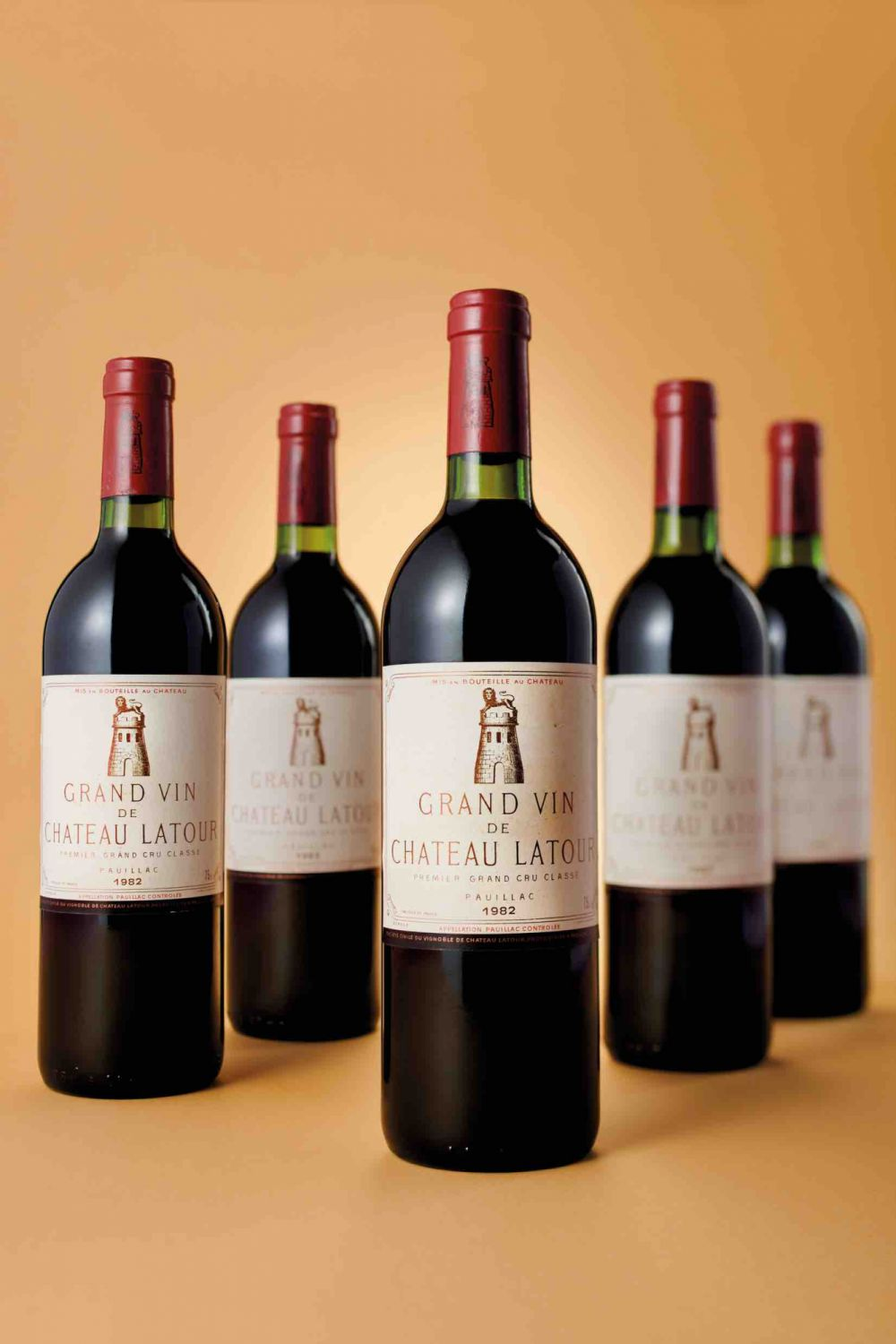


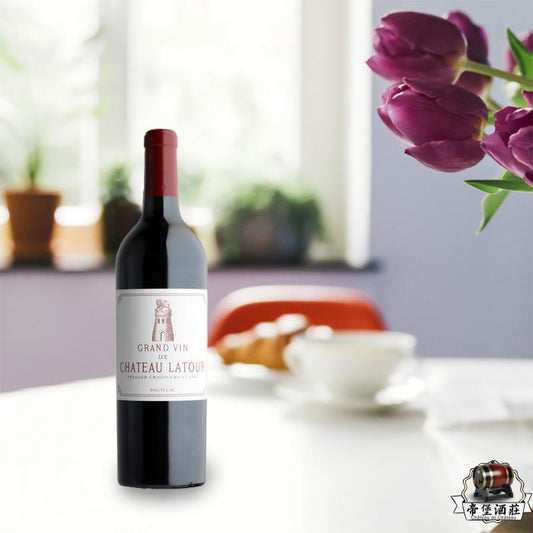


Among the Bordeaux First Growths, Château Latour is especially associated with structure and ageing capacity. Since leaving the en primeur system, the market has become more sensitive to available stocks of mature vintages; a well-stored bottle within its drinking window may attract more interest than a new-release score alone suggests.
Château Latour and its second wine, Les Forts de Latour, must be valued separately. Vintages including 1961, 1982, 1990, 2000, 2005, 2009 and 2010 warrant especially careful condition review.
When Dibao Wine assesses Latour, we first record the vintage, bottle size and fill level, then review the label, capsule and provenance. For mature vintages, we explain how fill level can affect value so that owners do not base expectations on retail prices alone.
Key points in a Latour valuation
Latour's value is closely associated with ageing potential, but the vintage and storage condition are equally important.
| Core vintages | 1961, 1982, 1990, 1996, 2000, 2005, 2009, 2010, 2015 and 2016. |
| Separate the range | Château Latour, Les Forts de Latour and Pauillac de Latour should be listed separately. |
| Storage effects | For mature vintages, fill level and seepage can directly affect the number of potential buyers. |
| Market characteristics | Latour buyers often focus on long-term cellaring and mature drinking windows. |
Latour sale arrangements
We first review photographs to confirm the wine and indicate a condition-based range. If the physical bottle matches the submitted information, a transaction can be completed after inspection and agreement. For a full case or a parcel containing other First Growths, provide one itemised list.
- Photograph the front label, back label, fill level and capsule.
- List the main wine, second wine and third wine separately.
- For a mature vintage, describe the storage method and any seepage.
Related Latour references
Compare vintage demand across Left Bank First Growths.
- Sell Château Margaux wine: a more elegant First Growth style with a different buyer profile.
- Sell Château Mouton Rothschild wine: artist-label vintages carry their own collectable interest.
- Leading fine-wine valuation guide: submit a mixed parcel of major estates for one itemised valuation.
- How Latour is valued: how vintage and condition affect a Latour quotation.
Château Latour vintages and market reference
The following vintage guide helps owners distinguish high-demand years, steadily traded years and bottles that require closer condition-led assessment. It is only a starting point; any valuation still depends on provenance, fill level and label condition.
| Vintage | International score reference (RP/JS) | Vintage characteristics and collectable value | Market interest |
| 2010 | 100 points (perfect-score legend) | A leading Bordeaux vintage with strong structure, exceptional ageing potential and substantial market demand. | 🔥🔥🔥🔥🔥 |
| 2009 | 100 points (perfect-score legend) | Rich fruit and a full palate. Historical market reports have placed it beside 2010 as a strongly traded collectable vintage; this history does not assure a return. | 🔥🔥🔥🔥🔥 |
| 2005 | 98+ points | A classic vintage with firm tannins, now entering its drinking window and carrying substantial collectable interest. | 🔥🔥🔥🔥 |
| 2016 | 100 points | A leading recent vintage with notable purity. Historical commentary describes substantial collectable interest, but this does not assure future value. | 🔥🔥🔥🔥 |
| 2003 | 100 points | A distinctive success from a hot year and a vintage specifically sought by some collectors. | 🔥🔥🔥🔥 |
| 2000 | 98 points | A millennium vintage with historic significance and high quality, considered suitable for gifts or personal cellaring. | 🔥🔥🔥 |
| 2011-2015 | 93-97 points | Vintages described as offering good relative value, suitable for current drinking or shorter-term cellaring, with active market circulation. | 🔥🔥🔥 |
| 1982 | 100 points | An exceptionally scarce legendary vintage. If well preserved, examples have historically attracted very high valuations; the specific bottle still requires review. | 🔥🔥🔥🔥🔥 |
Local valuation and handover notes
In a Hong Kong wine acquisition, the priority is not simply a famous name but a shared understanding of transaction risk. Dibao Wine first reviews photographs and arranges a physical inspection only once the submitted details indicate that an in-person review is appropriate. If the condition matches the photographs, any change to the indicated range should have a documented reason.
Collectors on Hong Kong Island, in Kowloon, the New Territories and Macau can begin with photographs. For high-value estates, mature vintages or original cases, provenance and storage information are useful. A mixed parcel is separated into higher-value, readily traded and currently unsuitable bottles so the assessment remains clear.
For an initial indication, send the front label, back label, neck fill level, capsule and original-case details. More complete information supports a closer initial assessment. If the vintage or identity is uncertain, send photographs for preliminary review.


