The Secret Behind Burgundy White Wine's Summit: Terroir, Great Producers and Market Value
I represent Dibao Wine, a specialist in fine-wine transactions. In collecting and investment circles, Burgundy whites—especially those from Montrac...

In This Article
Terroir First—The Source of Montrachet's Value
The value of top Burgundy white wine begins with irreplaceable terroir. The Côte de Beaune, in the southern Côte d'Or, and especially the boundary between Puligny-Montrachet and Chassagne-Montrachet, is a mecca for white wine.

Montrachet Grand Cru: an exceptional position
The name Montrachet means “bald mountain”. The vineyard occupies the middle of the slope at roughly 250 to 270 metres. This position provides ample south-easterly exposure and morning sun while limiting the harshest afternoon heat, helping the grapes ripen slowly and fully while retaining aroma and acidity.
A microclimatic and geological marvel
Montrachet's character is rooted in complex Jurassic subsoil. Relatively poor soils comprise a thin limestone layer over hard limestone and red marl. The source describes excellent drainage, 64–68% stones and 32–36% clay for moisture retention. This balance forces deep rooting and is associated with the wine's minerality, complexity and structure.
The Montrachet family and its fine terroir distinctions
Montrachet is also the centre of a family of five adjoining grands crus. Small differences in slope and soil depth produce distinct styles and illustrate Burgundy's highly localised expression of terroir:
- Montrachet: Mid-slope and gently inclined, it combines the precision of Chevalier-Montrachet with the depth and power of Bâtard-Montrachet and is often regarded as the point of greatest balance.
- Chevalier-Montrachet: Higher on a steeper slope, with thinner and stonier soil. Its wines are generally leaner and more elegant, with firm acidity and pronounced minerality.
- Bâtard-Montrachet: Below Montrachet, with deeper soil and more clay. Its wines tend to be rounder and fuller, with more tropical-fruit character, though the source regards them as slightly less fine than Montrachet.
These small geographical differences create markedly different white-wine styles and affect both scarcity and collector demand.
Great producers—shaping style and scarcity
Terroir provides the foundation, but a producer's philosophy and technique determine how it is expressed. The source places Montrachet Grand Cru at about 7.9 hectares shared by as many as 18 producers; wines from the same vineyard can therefore differ greatly in flavour, quality and price.

Domaine de la Romanée-Conti uses the abbreviation DRC and is synonymous with rarity and legend
Among Montrachet's producers, Domaine de la Romanée-Conti(DRC) sits at the summit. Historically, DRC Montrachet Grand Cru was the estate's sole publicly released white wine. DRC now also produces Corton-Charlemagne, whose first harvest was 2019.
- Extreme scarcity: The source states that DRC owns about 0.68 hectares in Chassagne-Montrachet and produces roughly 3,000 bottles a year, making supply exceptionally limited.
- Auction context: DRC Montrachet is prized for purity, complexity and ageing potential. The source says the 2004 vintage was valued at US$4,000 on release, about HK$31,200, and separately gives an international pre-tax average of HK$31,512 per bottle. These figures are retained exactly, but the source provides no common date, bottle format or verifiable market citation and is internally inconsistent with the later ranges. They are source-period references, not current prices; any valuation must be dated and adjusted for vintage, bottle size and condition.
Other leading producers: different readings of the same terroir
Beyond DRC, other distinguished producers interpret Montrachet through different winemaking philosophies and also shape the market:
- Domaine Leflaive: A Puligny-Montrachet benchmark and a pioneer of biodynamics. The source gives Leflaive's Montrachet Grand Cru holding as only 0.08 hectares, producing about one barrel or 300 bottles a year. Its wines are described as elegant, fine and mineral. The source also cites a number 4 ranking among the world's 50 most expensive wines and a pre-tax average of HK$38,097 per bottle; without a date, format or cited dataset, this is historical context rather than a current valuation.
- Domaine des Comtes Lafon: This celebrated Meursault producer's Montrachet is generally fuller and richer, with an opulent profile of mango, candied fruit and nuts.
- Domaine Ramonet: Its Montrachet is often regarded as timeless: refined, full without heaviness and exceptionally elegant.
These producers' technique, commitment to low-yielding old vines and understanding of terroir support strong ageing potential and collector demand; an individual offer still depends on the bottle and current dated evidence.
Market value and potential returns—scarcity matters
The source links the market value of great Burgundy whites to terroir, producer reputation and extreme scarcity. These attributes may support demand, while investment outcomes remain uncertain.
Scarcity is central to price
The source places Montrachet Grand Cru at about 7.99 hectares and annual output near 40,000 bottles, with DRC contributing only a tiny share. Limited supply and global interest in complexity and ageing potential have historically supported secondary-market prices, but this is not a promise of future appreciation.
-
Historical high-price examples in Hong Kong dollars: The source lists the following DRC Montrachet ranges as market references and says any actual offer should be current. They are retained exactly. Because they conflict with the earlier HK$31,512 figure and lack a valuation date, bottle format and verifiable source, they must be read only as source-period examples. A usable estimate must specify its date and account for vintage, capacity and condition:
- DRC Montrachet 2018: HK$110,000–HK$140,000
- DRC Montrachet 2013: HK$100,000–HK$130,000
- DRC Montrachet 2008: HK$130,000–HK$160,000
- DRC Montrachet 1996, described as extremely rare: HK$160,000–HK$200,000
Vintage performance and collector value
The value of top white wine is closely connected to vintage quality. Vintages noted for white Burgundy can attract particular interest for their structure and ageing potential.

-
Notable white-wine vintages in the source:
- 2017: Described as a pleasant surprise: the reds were supple, while the whites stood out for concentration, freshness and marked minerality.
- 2014: After a difficult start, a warm September helped produce white wines described as vibrant, rich and precisely balanced.
- 2012: Despite hail, the surviving grapes achieved considerable concentration, giving white wines notable depth and intensity.
- 2008: September's north wind helped balance acidity and sugar; the whites are described as showing exotic fruit and spice, sound structure and ageing potential.
- 2005: Presented as one of the new millennium's great vintages, with white wines of exceptional concentration, depth and lively acidity.
- 1996: Known for pronounced acidity that gave both reds and whites energy and ageing potential; the whites are described as ripe, aromatic and balanced.
An extreme event and a joint cuvée: scarcity at its peak
Severe frost sharply reduced Burgundy's 2016 crop. The source records an unprecedented joint Montrachet made by six leading domaines, including DRC, Leflaive and Comtes Lafon, creating a wine with unusual rarity and historical interest.
- Together, those six domaines owned only 1.25 hectares of Montrachet's stated 7.9 hectares.
Helping your collection receive a well-supported offer
Terroir and producer reputation provide a strong starting point, but a defensible resale valuation also requires detailed bottle evidence.
Serving and tasting fine white Burgundy
The value of great Burgundy white is not limited to the market; it also lies in the tasting experience. Montrachet's combination of delicacy, elegance, richness and complexity benefits from thoughtful service.
Decanting: young wine versus mature wine
White wine is not automatically exempt from decanting. Some sommeliers recommend aeration for young, ageworthy Burgundy whites such as Montrachet or Corton-Charlemagne, but the bottle's age and condition should guide the decision.
Montrachet is associated with honeyed aromas, a silky texture and a rich body. The source recounts one experienced drinker's description of DRC Montrachet 2001: nuts, butter, citrus, truffle and white peach, with layered flavour and a long, imposing finish. This is an individual tasting account; another bottle may differ.
Fine white Burgundy illustrates the principle that terroir sets potential, the producer defines style and scarcity influences price. Montrachet's microclimate and poor limestone soils provide a celebrated setting for Chardonnay, while producers such as DRC and Leflaive translate that site through their own techniques and philosophies.
Owners should understand that context, then choose a sale route and timing using current evidence so that any offer reflects the wine's identity, provenance and condition.
【Dibao Wine—Private Reviews for Fine White-Wine Collections】
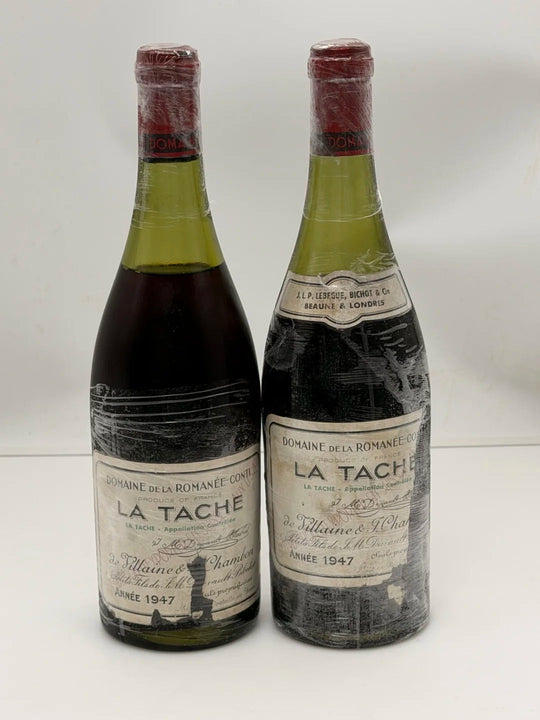
Dibao Wine reviews Domaine de la Romanée-Conti (DRC) grands crus, including Montrachet, La Tâche and Richebourg, alongside other fine Burgundy wines.
If you are considering selling DRC Montrachet or another leading estate wine, we review Lafite alongside Mouton and Petrus using bottle-specific evidence.
What to expect:
Before deciding whether to sell a rare DRC Montrachet, obtain a current assessment based on clear bottle evidence rather than relying on an undated market peak.
To apply this article's Montrachet framework to an actual collection, prepare the vintages, bottle count, fill levels and label photographs, then use WhatsApp 96737259 to request an initial review.
Further Reading for Burgundy Collections
- Continue from “The Secret Behind Burgundy White Wine's Summit…” with: The World's Most Expensive Dry White Wine: Montrachet Grand Cru —additional context on Montrachet vintages, bottle condition and market demand.
- Compare this Montrachet guide with: 【Dibao Case Study】A Transfer of Great Burgundy: A Hong Kong Collector Parts with 8 Bottles of DRC and Montrachet —a practical comparison between Montrachet and Romanée-Conti on the secondary market.
- A related perspective: The Secret of Wine's “Summit”: Inside the White-Wine Sanctuary of Montrachet with Dibao Wine —a cross-reference for assessing Burgundy collections.
- For additional valuation context: 2026 Hong Kong Market Analysis: Which DRC Montrachet Vintages Are in a Strong Value Phase? —market context to complement the case study's transaction logic.
Send label, vintage, volume, capsule and fill-level photos. Di Bao Wine will review the visible condition and current demand.