Selling Lafite: How to Handle Your Unopened Collection
Selling Lafite can be challenging, but selling, exchanging or donating unopened bottles can help you realise value or assist others. Lafite is a va...

In This Article
Lafite is one of the world's most famous red wines, widely praised for its quality and taste. For many people, collecting Lafite wine has become both an investment and a hobby. However, when you need to deal with unopened bottles of Lafite, you may face several challenges.

If you have unopened Lafite but do not plan to keep it for future drinking, you may be wondering what to do with it. Here are several options and suggestions to consider:
1. Sell Your Lafite
Selling Lafite is a popular option: it allows you to realise value while giving someone else the opportunity to enjoy this renowned wine. You can sell through an auction, an online marketplace or a specialist wine merchant, but prices can vary greatly between vintages and bottle formats.
2. Exchange Your Lafite
If you do not want to sell your Lafite, you can also consider an exchange. Many wine collectors are willing to trade for wines they want, allowing you to acquire new bottles while retaining the value represented by your Lafite.
3. Donate Your Lafite
If you wish, you can donate unopened Lafite to a non-profit organisation or charity to support people in need. This can contribute to a charitable cause and may also provide a tax benefit for your donation.

To apply the Lafite assessment points in “Selling Lafite: How to Handle Your Unopened Collection” to actual bottles, organise the vintages, bottle counts, fill levels and label photographs, then use WhatsApp 96737259 to request an initial valuation.


Conclusion
Selling Lafite can be challenging, but selling, exchanging or donating your unopened bottles can help you realise value or assist others. Lafite is a valuable collectible, so use a trusted channel to seek a fair price and appropriate safeguards. Before any transaction, you may also consult the specialist wine merchant Dibao Wine about the wine's market value and other relevant information.

Finally, if you have any questions or need further advice, contact Dibao Wine. We can provide more information about selling Lafite and ways to realise its value as effectively as possible.
Further Reading on Bordeaux Collections
- Further reading from “Selling Lafite: How to Handle Your Unopened Collection”: Dibao Wine Shows You How to Identify Genuine and Fake Lafite at a Glance – Adds context on Lafite vintages, bottle condition and secondary-market demand.
- A Lafite comparison for “Selling Lafite: How to Handle Your Unopened Collection”: The Lafite Legend: Does 1982 Really Reign Supreme? Dibao Wine Explores the Peak Value of Your Collection – Helps compare different Lafite bottles in the secondary market.
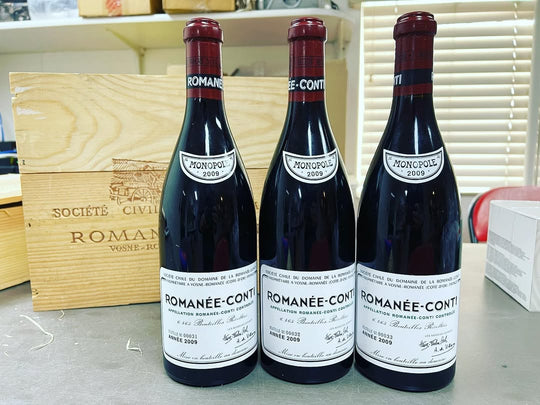
- A related-region reference for “Selling Lafite: How to Handle Your Unopened Collection”: Romanée-Conti and DRC Essentials: Burgundy Collecting and Resale Value – A useful cross-reference when valuing a Bordeaux collection.
- Additional valuation context for “Selling Lafite: How to Handle Your Unopened Collection”: Uncovering ‘Liquid Gold’: Château Lafite's Legend, Vintage Mysteries and the Value of Your Collection – Uses market analysis to clarify the pricing logic behind the case.
Further Guidance for Assessing a Lafite Collection
When assessing a collection related to “Selling Lafite: How to Handle Your Unopened Collection”, do not consider brand recognition alone. The Bordeaux market is highly sensitive to storage condition: fill level, capsule, label edges, back-label legibility and provenance records can all affect buyer confidence.
If bottles related to “Selling Lafite: How to Handle Your Unopened Collection” are being prepared for sale, first make a simple list of the vintages, bottle counts, whether original cases are present, purchase channels and storage conditions. The more complete this information is, the easier it is to distinguish ordinary market stock from a collector-grade holding or a rare wine suitable for auction.
Lafite valuation tip: After reading “Selling Lafite: How to Handle Your Unopened Collection”, if you want to assess whether your wine is suitable for sale, first prepare photographs of the bottle, back label, capsule and fill level, then contact WhatsApp 96737259 for an initial valuation.
Lafite Physical Inspection Checklist
For a Lafite topic such as “Selling Lafite: How to Handle Your Unopened Collection”, valuations in the Bordeaux or high-end fine-wine market are rarely determined by a single factor. Brand demand affects how quickly enquiries arrive, but the decisive issue is whether the bottle's physical condition supports buyer confidence.
| Vintage and Cuvée | For bottles related to “Selling Lafite: How to Handle Your Unopened Collection”, verify the vintage, grand or second wine, bottle format and label version so that different wines from the same estate are not valued together by mistake. |
| Storage Condition | For a Lafite collection related to “Selling Lafite: How to Handle Your Unopened Collection”, check the fill level, capsule, damp damage to the label, signs around the cork and whether the bottles were kept at a constant temperature over the long term. |
| Handover Records | If “Selling Lafite: How to Handle Your Unopened Collection” relates to original cases or a larger collection, purchase records, cellar photographs and the number of bottles from the same lot will make assessment more efficient. |
In short, a Lafite collection related to “Selling Lafite: How to Handle Your Unopened Collection” can be valued on a firmer basis when it has clear provenance, good storage and identifiable market demand. If information is incomplete, add photographs and storage details before deciding whether to sell.
Send label, vintage, volume, capsule and fill-level photos. Di Bao Wine will review the visible condition and current demand.