Cabernet Sauvignon: A Practical Grape Guide
For wine lovers, Cabernet Sauvignon is an essential first step in learning about wine. As one of the world's best-known grape varieties, it occupie...

In This Article
For wine lovers, Cabernet Sauvignon is widely regarded as the first grape to study when learning about wine. As one of the world's best-known grape varieties, Cabernet Sauvignon occupies a unique place in the wine world. But how well do you really know it?

Extensively Planted

By vineyard area, Cabernet Sauvignon is the undisputed No. 1: 26.2 × 10,000 hectares (262,000 hectares, or 650,000 acres) worldwide are currently planted with the variety. It can be found in almost every major wine-producing region.
Remarkable Resilience
There is a reason Cabernet Sauvignon is the world's most widely planted grape variety: it is highly adaptable. In eastern Washington State in the United States, Cabernet Sauvignon can thrive in arid areas receiving only 20 inches of rain a year, and the wines have earned praise from many critics. Some wineries also grow Cabernet Sauvignon in China's Gobi regions.
As the table above also shows, Cabernet Sauvignon's resilience allows it to hold a leading position in both the Old World and the New World.

Relatively High Yields
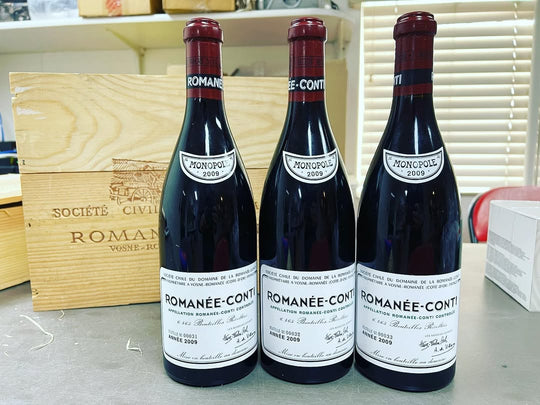
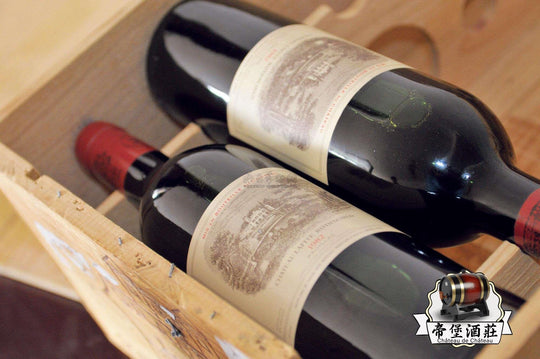
If we compare the world's most expensive Cabernet Sauvignon wine—Bordeaux's Château Latour estate (Château Latour)—with the world's most expensive Pinot Noir, Romanée-Conti, Cabernet Sauvignon's yield appears remarkably high. At Domaine de la Romanée-Conti, each hectare of vineyard produces only about 1 tonne of Pinot Noir grapes; at Château Latour, each hectare produces approximately 3.5 tonnes of Cabernet Sauvignon grapes.

Nevertheless, many regions limit Cabernet Sauvignon yields to protect wine quality and flavour. In Bordeaux, for example, the law permits no more than 50000 litres of wine per hectare of Cabernet Sauvignon vineyard. As the climate continues to warm, estates must devote more attention to yield control or they can easily exceed the legal limit.
Premium Fine-Wine Market Cross-References
- Further reading from “How Well Do You Know Cabernet Sauvignon?”: Selling Wine Made Clear: Dibao Wine's Transparent and Efficient Red Wine Purchasing Process – Adds context on fine-wine vintages, bottle condition and secondary-market demand.
- A fine-wine comparison for “How Well Do You Know Cabernet Sauvignon?”: Is Red Wine the Same as Wine? Categories, Collectible Value and Resale Basics – Helps compare different fine wines in the secondary market.
- A related-region reference for “How Well Do You Know Cabernet Sauvignon?”: How Is the Cost of Wine Actually Calculated? – A useful cross-reference when valuing a premium fine-wine collection.
- Additional valuation context for “How Well Do You Know Cabernet Sauvignon?”: Do You Know the Best Serving Temperature for Wine? – Uses market analysis to clarify the pricing logic behind the case.
Further Guidance for Assessing Fine-Wine Collections
When assessing a collection related to “How Well Do You Know Cabernet Sauvignon?”, do not consider brand recognition alone. The premium-wine market is highly sensitive to storage condition: fill level, capsule, label edges, back-label legibility and provenance records can all affect buyer confidence.
If bottles related to “How Well Do You Know Cabernet Sauvignon?” are being prepared for sale, first make a simple list of the vintages, bottle counts, whether original cases are present, purchase channels and storage conditions. The more complete this information is, the easier it is to distinguish ordinary market stock from a collector-grade holding or a rare wine suitable for auction.
Fine-wine valuation tip: After reading “How Well Do You Know Cabernet Sauvignon?”, if you want to assess whether your wine is suitable for sale, first prepare clear photographs of the bottle, back label, capsule and fill level, then contact WhatsApp 96737259 for an initial valuation.
Fine-Wine Physical Inspection Checklist
For a fine-wine topic such as “How Well Do You Know Cabernet Sauvignon?”, valuations in the premium-wine or high-end fine-wine market are rarely determined by a single factor. Brand demand affects how quickly enquiries arrive, but the decisive issue is whether the bottle's physical condition supports buyer confidence.
| Vintage and Cuvée | For bottles related to “How Well Do You Know Cabernet Sauvignon?”, verify the vintage, grand or second wine, bottle format and label version so that different wines from the same estate are not valued together by mistake. |
| Storage Condition | For a fine-wine collection related to “How Well Do You Know Cabernet Sauvignon?”, check the fill level, capsule, damp damage to the label, signs around the cork and whether the bottles were kept at a constant temperature over the long term. |
| Handover Records | If “How Well Do You Know Cabernet Sauvignon?” relates to original cases or a larger collection, purchase records, cellar photographs and the number of bottles from the same lot will make assessment more efficient. |
In short, a fine-wine collection related to “How Well Do You Know Cabernet Sauvignon?” can be valued on a firmer basis when it has clear provenance, good storage and identifiable market demand. If information is incomplete, add photographs and storage details before deciding whether to sell.
Fine-Wine Valuation Details That Are Easy to Overlook
When reading “How Well Do You Know Cabernet Sauvignon?”, treat the article as market background. For an actual transaction, the wine's vintage, condition and provenance still need to be checked one by one.
| Photograph Angles | For an initial valuation related to “How Well Do You Know Cabernet Sauvignon?”, photograph the front label, back label, neck, top of the capsule and fill level clearly. |
| Market Comparisons | Compare fine wine with transaction records for the same vintage and format in a similar condition; this is more accurate than looking only at the highest auction price. |
| Timing of Sale | If bottles related to “How Well Do You Know Cabernet Sauvignon?” are from a sought-after vintage or remain in a complete original case, request a quotation before deciding whether to arrange an immediate handover. |
In short, a fine-wine collection related to “How Well Do You Know Cabernet Sauvignon?” can be valued on a firmer basis when it has clear provenance, good storage and identifiable market demand. If information is incomplete, add photographs and storage details before deciding whether to sell.
Send label, vintage, volume, capsule and fill-level photos. Di Bao Wine will review the visible condition and current demand.