Burgundy Grand Cru in 2026: Hold or Sell?
Burgundy Grand Cru remains central to the global fine-wine market. As a professional buyer with years of secondary-market experience, Dibao Wine re...

In This Article
Burgundy Grand Cru sits at the summit of the global fine-wine market. After several years of sharp price swings, collectors and investors face a practical question in 2026: should they continue to hold these rare bottles, or sell some of them to release liquidity?
As a professional buyer with years of experience in the secondary wine market, Dibao Wine examines the latest 2026 fine-wine trends. This article considers Liv-ex data, climate and production reports for the 2024 vintage, and recent auction results to frame decisions about valuation, sale and continued ownership.

The 2026 Fine-Wine Market: Uneven Signs of Stabilisation
After the correction that began in late 2022, the market showed early signs of stabilisation in 2026, but the recovery remained uneven. The Chinese source cites four to five consecutive monthly gains in the Liv-ex 100 and a 3% rise over six months; Liv-ex's official Q1 review instead describes the major indices as broadly stable and records renewed weakness in March. Downside risk had therefore not disappeared.
This was not an indiscriminate boom. The Chinese source places fine-wine prices about 25%-30% below their 2022 highs and describes the market as moving from a reset phase towards an early growth cycle. It also reports better buyer confidence, liquidity and bidding activity from Q4 2025 into early 2026. These observations may help a collector frame a sale, but they do not establish that every wine or segment was rising.
Burgundy Grand Cru: A Sharply Divided Market
Burgundy remained one of the most closely watched parts of the secondary market, but performance varied markedly by producer and wine.
1. Renewed Demand for the Best-Known Estates
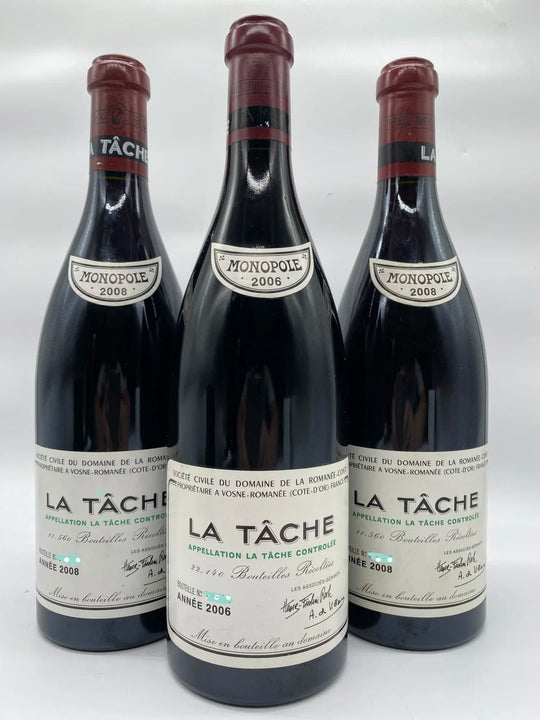
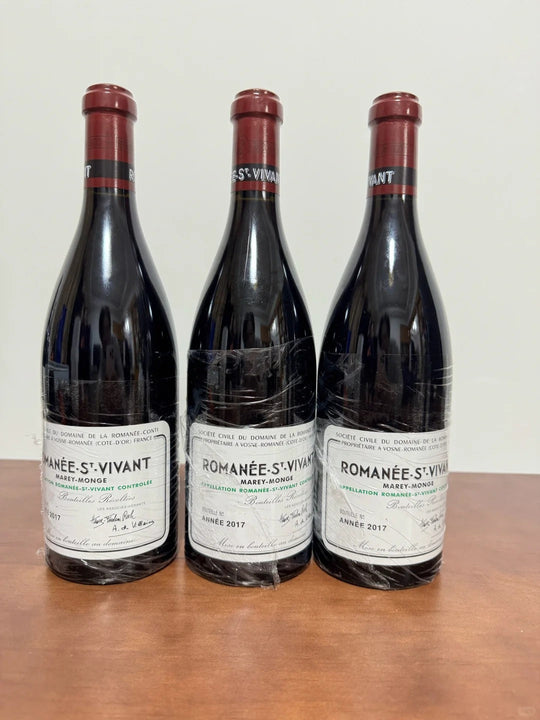
When confidence begins to recover, capital often returns first to the most recognisable and liquid names. The Chinese source reports that Domaine de la Romanée-Conti ( DRC), Domaine Armand Rousseau and Domaine Leflaive had begun to post positive movement after corrections of 25%-40%. Their leading Grand Cru wines combine long histories with international demand, although the scale and timing of any recovery still depend on the individual wine, vintage, provenance and price.
2. Liquidity Remains Difficult in the Mid-Tier
Many mid-tier Burgundy producers remained more fragile than the most sought-after estates. Liquidity was thin, some offers attracted little buyer interest, and sellers' expectations could exceed executable prices. Owners of wines outside the top tier may therefore need a more realistic price to complete a sale.
3. White Burgundy (Chardonnay): Relative Resilience
The Chinese source says white Burgundy held up better than red Burgundy during the correction. Reds rose faster in the 2021 surge, while whites retained more of their gains and stabilised several months earlier. It interprets this as a shift towards white wines that combine collecting interest with the possibility of near-term drinking.

The Difficult 2024 Vintage: What Lower Output May Mean for Older Wines
Production in the latest Burgundy vintage is another factor when deciding whether to sell an existing cellar. The Chinese source describes 2024 as one of Burgundy's most difficult growing seasons of this century.
Persistent rain, frost and severe downy mildew damaged vines. Citing regional reports, the source says Pinot Noir yields in parts of the Côte de Nuits, including Vosne-Romanée and Nuits-St-Georges, fell by as much as 80% from average levels. It also says hail and flooding affected Chablis and that some organic estates harvested less than 10 hectolitres per hectare (hl/ha). These are source-reported figures rather than region-wide averages.
What Could This Mean for Collectors? Very low 2024 output would limit the quantity of top new Burgundy reaching the market. The source argues that this production gap may redirect some demand towards bottled vintages such as 2019, 2020 and 2022. That may support selected Grand Cru wines, but it does not establish higher future prices: producer, vintage, provenance, condition and current bids remain decisive.
Auction Records and the Price of Exceptional Rarity
Auctions provide one measure of demand at the top of the market. Despite a difficult macroeconomic backdrop, rare bottles with exceptional provenance continued to attract wealthy bidders. The source highlights several results from late 2025 and early 2026 as evidence of demand for trophy Burgundy; they should not be treated as representative prices for ordinary bottles.
The table below reproduces selected recent secondary-market and auction figures from the Chinese source. HKD conversions use the stated approximate exchange rates and are for reference only:
| Wine | Vintage | Format and Quantity | Auction House / Platform | Result / Market Quote (Approx. HKD) |
|---|---|---|---|---|
| Domaine de la Romanée-Conti, La Tâche | 1886 | 1 bottle (1 BT) | Christie's | Approx. HKD 3,217,500 (£325,000) |
| Domaine de la Romanée-Conti, Romanée-Conti | 1999 | Methuselah (6L) | Christie's New York | Approx. HKD 2,145,000 ($275,000) |
| Domaine de la Romanée-Conti, Romanée-Conti | 2022 | 12 bottles (12 BT) | Liv-ex secondary market | Approx. HKD 1,485,000 (£150,000) |
| Domaine de la Romanée-Conti, Romanée-Conti | 2009 | 12 bottles (12 BT) | Liv-ex secondary market | Approx. HKD 1,737,300 (£175,492) |
| Domaine de la Romanée-Conti, La Tâche | 2022 | 12 bottles (12 BT) | Liv-ex secondary market | Approx. HKD 435,600 (£44,000) |
| Domaine Leflaive (average brand price) | Various vintages | 12 bottles (12 BT) | Liv-ex Power 100 | Approx. HKD 16,820 (£1,699) |
Note: conversions use approximately GBP 1 = HKD 9.9 and USD 1 = HKD 7.8.
The table spans a 19th-century bottle with historic interest and recent-vintage DRC cases. Its strongest lesson is that buyers may pay exceptional premiums for rarity and impeccable provenance. Such trophy results can lift sentiment at the top end, but they are not direct valuations for another bottle.
Collector Strategy: Is This the Right Time to Sell Burgundy?
Against the source's macroeconomic, 2024-production and auction context, Dibao Wine offers the following points for collectors to consider:
1. Blue-chip Grand Cru (including DRC, Leroy and Rousseau)
Approach: compare selling now with a longer hold The source reports renewed demand after a market trough and expects low 2024 output to constrain supply over the next two or three years. An owner seeking liquidity can ask for current executable bids; an owner considering a longer hold should also weigh storage, insurance, provenance and market risk. Neither route fixes a particular return.

2. Leading White Burgundy (including Leflaive and Coche-Dury)
Approach: consider selective profit-taking The source describes white Burgundy as relatively resilient over the past two years and near the upper end of its historical range. A collector with substantial gains may compare a partial sale with continued ownership, using current bids rather than a general market narrative as the decision point.

3. Mid-Tier Burgundy and Premier Cru
Approach: use realistic pricing and specialist channels Liquidity is weaker in the mid-tier. Rather than assuming a broad surge, owners can obtain an itemised valuation and decide whether a realistic sale price meets their needs. The source suggests reallocating proceeds towards more liquid Bordeaux First Growths such as Lafite and Mouton, or leading Champagne; this is a source strategy, not personal investment advice.

Turning Wine into Liquidity: Why Collectors Contact Dibao Wine
A reliable counterparty matters in a volatile secondary market. Dibao Wine provides itemised valuation and sale support for fine-wine owners.
- Market-referenced valuation: We review Liv-ex and auction-market evidence alongside the exact wine, vintage, format, provenance and condition. A quote is specific to the inspected collection and is not established by a headline index.
- A direct sale route: A direct transaction can avoid an auction's timetable and seller's commission. Available settlement and collection arrangements are confirmed for each accepted offer.
- Cellar review: Our team can consider drinking windows and market conditions when reviewing a collection, while the owner retains the final decision on what to keep or sell.
Further Reading on Burgundy Collections
- Related case study: A Hong Kong Finance Professional Sells a Collection of Bordeaux First Growths — adds a practical comparison of vintage, condition and buyer demand.
- Market comparison: The 2026 Fine-Wine Turning Point—Is There a Better Window to Sell After Three Years of Correction? — compares the wider fine-wine market with the Burgundy segment.
- Regional reference: Burgundy vs Bordeaux—Liquidity in the 2026 Secondary Market — provides a cross-check when valuing a Burgundy collection.
- Valuation case study: Meeting a Legend—1990 DRC Romanée-Conti, Thirty-Six Years On — adds transaction context to the market discussion.
Send label, vintage, volume, capsule and fill-level photos. Di Bao Wine will review the visible condition and current demand.