









Burgundy fine-wine valuation and sale guide
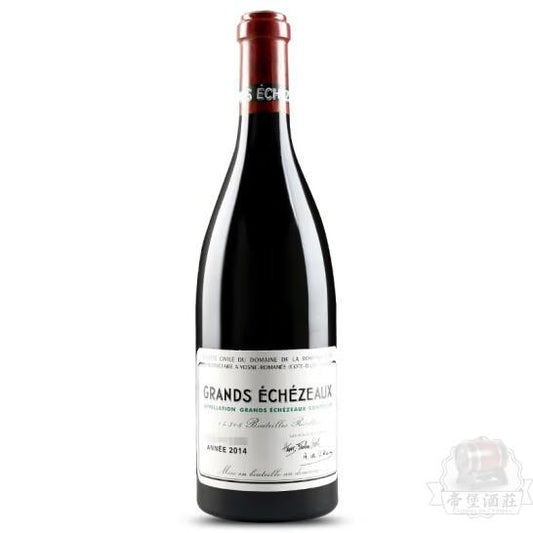
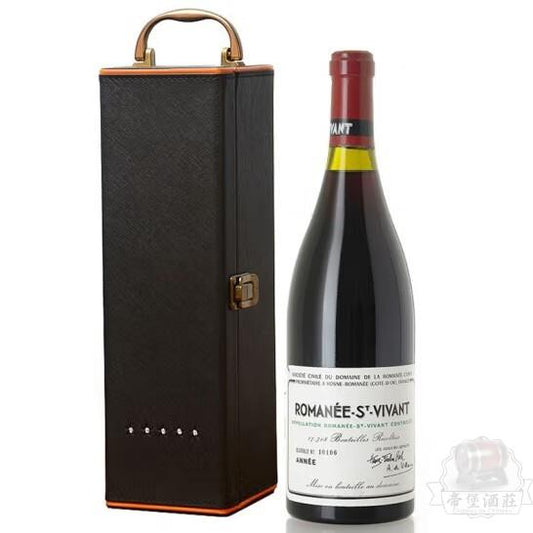
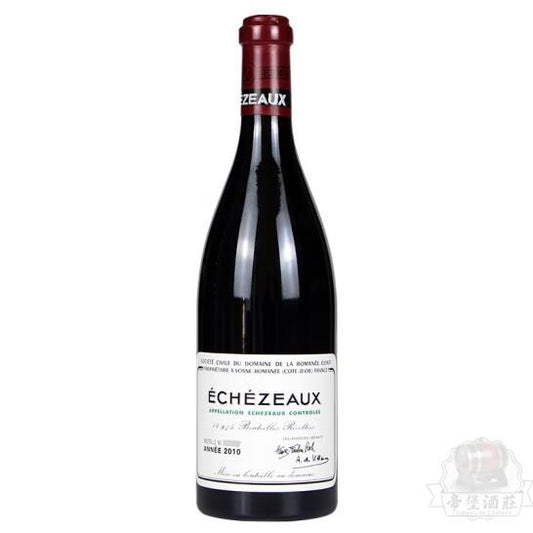
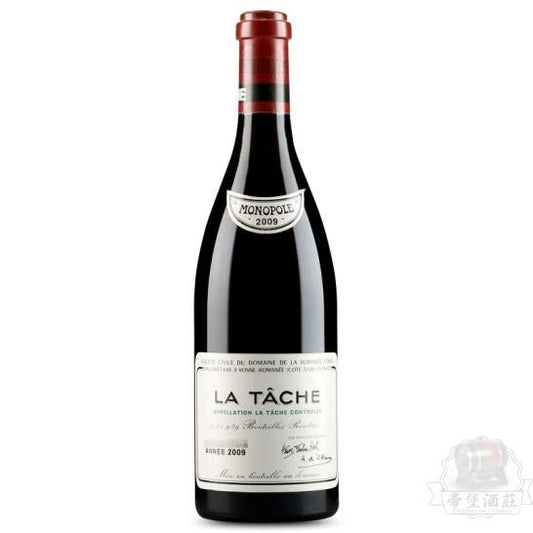
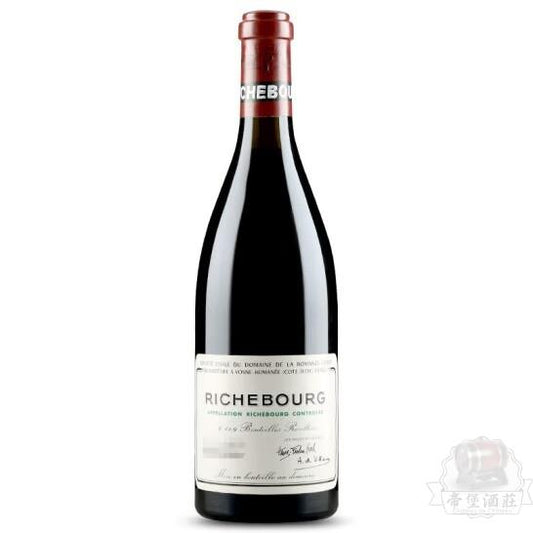
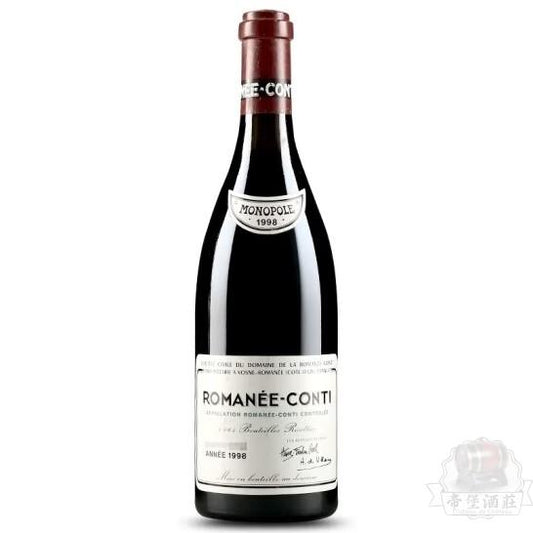
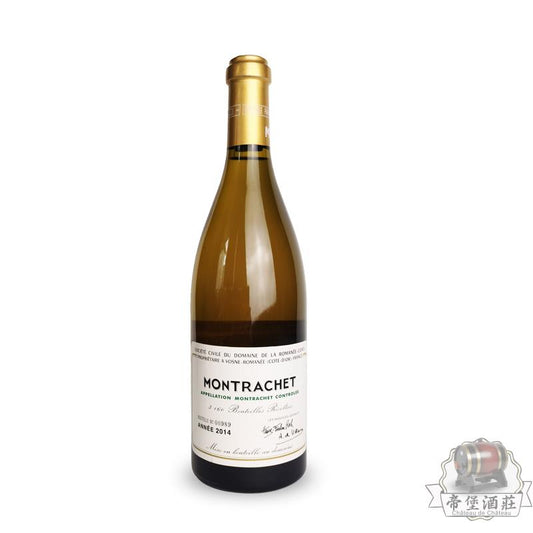
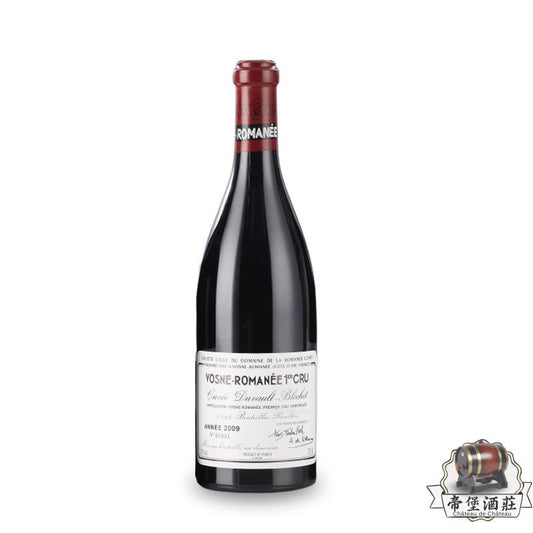
Burgundy assessment depends on producer, vineyard, vintage and provenance. The same vineyard name can have very different market demand across domaines, so the complete label information must be confirmed before valuation.
For a Burgundy enquiry, full cases and loose bottles can both be submitted, but format, vintage and quantity should be listed separately. Dibao Wine accepts enquiries about single bottles, loose bottles and full cases in Hong Kong and Macau, arranging physical checks once the submitted details indicate that an in-person review is appropriate.
Information reviewed in a valuation
Within a Burgundy series, different vintages or formats are not combined for assessment. The team records fill level, label, capsule, bottle base, original case, quantity and provenance item by item before arranging any necessary physical check. Initial photographs cannot replace physical inspection.
| Information | What to check |
|---|---|
| Wine and vintage | Confirm the exact wine or cuvée, the main or second wine where applicable, producer, vineyard, vintage and bottle size. |
| Bottle condition | Review the fill level, label, capsule, bottle base and any seepage. |
| Provenance and storage | Organise invoices, original cases, cellar records or temperature-controlled storage records. |
| Quantity and format | List single bottles, loose bottles, full cases and large formats separately. |
Enquiry and handover process
- Send photographs of the front label, back label, fill level, capsule and bottle base.
- List the vintage, bottle size, quantity and known defects.
- Arrange a physical inspection once the submitted details indicate that an in-person review is appropriate.
- The final outcome depends on physical condition and agreement by both parties.
When preparing a Burgundy list, record original cases, sets and loose bottles separately, including the completeness of wooden cases or cartons. Clearer organisation makes the initial response easier to match with the on-site inspection. Keep the latest version of the list.
Practical photography guidance
Clear photographs help identify a Burgundy release and visible condition but cannot replace physical inspection. Front and back labels, fill level, capsule and bottle base are the basic views, with provenance and storage information added where available. Bottle numbers can be included in photograph filenames.
Why valuations differ for the same wine
For Burgundy, distinguish the producer, vineyard, vintage and bottle size. The same vineyard name from different producers is not interchangeable, and the label version, provenance and condition must be matched bottle by bottle. Market demand changes over time, so no fixed acquisition price applies; final terms depend on the physical bottle and agreement. Mark unknown information as pending confirmation.
Provenance, storage and packaging
When adding Burgundy provenance, summarise temperature management, storage location and any movement. If no complete record exists, state what is known. Photographs, the list and the physical bottles should remain consistent, with original cases recorded separately from loose bottles.
Before submitting Burgundy information, check that the list states vintage, bottle size and quantity; every photograph matches a bottle; defects and missing items are disclosed; and original cases are separated from loose bottles. These steps make the initial response easier to reconcile with the physical assessment. Retain the original numbering when sending more photographs.
Related services and content
This guide explains how Burgundy fine wine is reviewed and does not provide a fixed price list. Published vintage information is background only; every acquisition valuation depends on the physical bottle, provenance and current demand. Ensure the vintage and bottle size match the photographs.


