
Premium wine buyback
Send clear bottle photos so the submitted wine details can be reviewed.
- Bottle photos
- Wine list
- In-person verification

帝堡酒莊
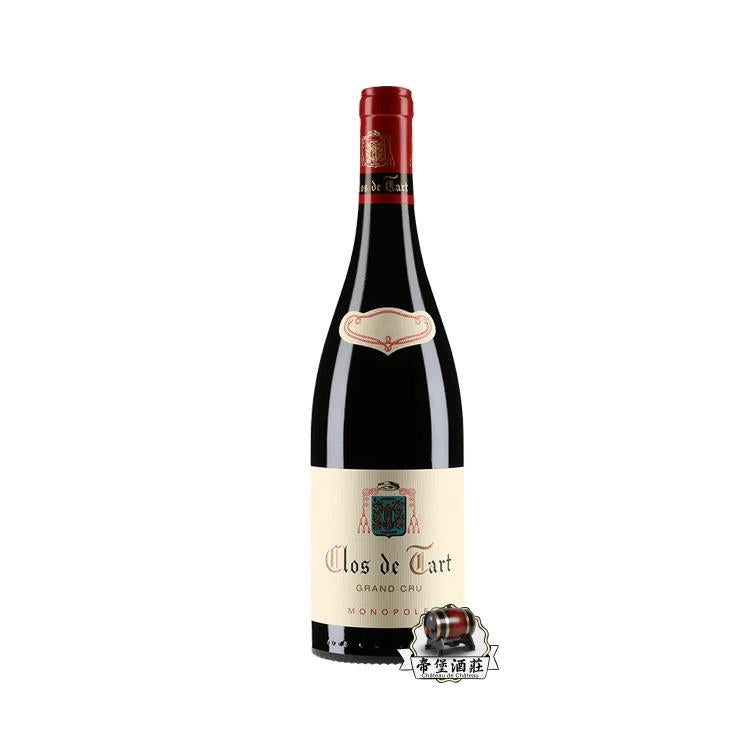
Sell 2018 Clos de Tart Grand Cru Monopole wine
Photo review, physical inspection and confirmed handover steps for fine wine enquiries.
Our team reviews the wine, vintage, label and visible condition, then notes what still requires in-person verification.
Photo Valuation, Clear Process
Di Bao values each bottle based on wine name, vintage, storage condition and current market demand. Single bottles and original cases are both welcome.
Before Valuation
- 01
Clear front and back label photos
- 02
Vintage, volume, capsule and fill level
- 03
Original case, wooden box or purchase proof if available
Transaction Process
- 01Contact Us
Send photos on WhatsApp or call us with wine details.
- 02Initial Review
Our team reviews the supplied bottle details before discussing an inspection.
- 03Handover
After inspection, both parties confirm the location, payment and handover details.
Clos de Tart Grand Cru Monopole is a Burgundy red wine valued by collectors. Its secondary-market activity and valuation depend mainly on vintage, bottle condition and provenance.
2018 Clos de Tart Grand Cru Monopole valuation considerations
The source describes 2018 as a sound, reliable Burgundy vintage. Any Clos de Tart Grand Cru Monopole valuation depends on bottle condition, quantity and current demand.
A vintage's reputation provides context, but bottle condition, provenance and storage records remain central to the final valuation. The fill level, cork, label and capsule condition, and the availability of the original case and invoice all matter.
What Dibao Wine reviews when valuing Clos de Tart Grand Cru Monopole
- Provenance and packaging: Invoices, the original wooden case (OWC) and cellar records strengthen the provenance file; a complete case is preferable where available.
- Bottle format: Magnums and larger formats, together with complete cases, may attract additional market interest.
- Bottle condition: The fill level, capsule condition and label integrity are the starting points for a valuation.
- Storage conditions: Long-term temperature-controlled cellar storage with few moves supports a clearer assessment of the bottle's condition.
For an initial valuation, provide the vintage, quantity and bottle photographs. Dibao Wine will review the physical condition and market demand before indicating a valuation. Handover can take place at our shop or by collection through a clear process; public market information is for reference only. WhatsApp / WeChat: 96737259.
Frequently Asked Questions
Quick answers about valuation, provenance, storage, handover and payment before you send photos.
Popular Fine Wine Buyback Categories
From Romanee-Conti and La Tache to Lafite, Mouton and Margaux, send photos first for a single-bottle or case valuation.
-

DRC Wine Buyback
DRC is a central name in the Burgundy collectible market. Romanée-Conti, La...
-

Château Lafite Rothschild Wine Buyback
Château Lafite Rothschild is one of the most recognisable Bordeaux First Growths...
-

Château Latour Wine Buyback
Among the Bordeaux First Growths, Château Latour is especially associated with structure...
-

Château Mouton Rothschild Wine Buyback
Mouton is distinguished not only by its First Growth status but also...


