Which Wines Have Collectible Value? Estates, Vintages and the Secondary Market
On the Left Bank are Château Lafite Rothschild, Château Latour, Château Mouton Rothschild, Château Margaux and Château Haut-Brion; on the Ri...

In This Article
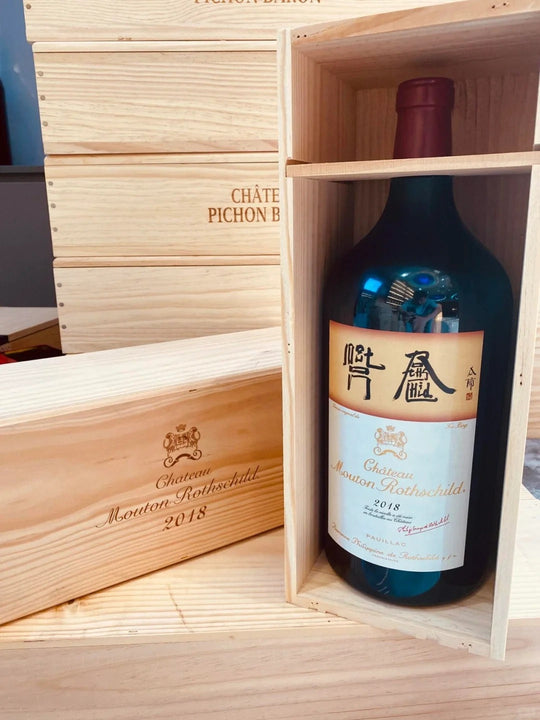
On the Left Bank, Château Lafite, Château Latour, Château Mouton Rothschild, Château Margaux and Château Haut-Brion; on the Right Bank, Château Cheval Blanc, Château Ausone and Pétrus. These eight names are among the best-known and most collectible, and their wines are of first-rate quality.
If you have any needs or questions about selling red wine, please contact us at any time.

Further Guidance for Assessing a Collectible-Wine Collection
When assessing a collection related to “Which Wines Have Collectible Value? A Guide to Estates, Vintages and the Secondary Market,” do not consider brand recognition alone. The Bordeaux market is highly sensitive to storage condition: fill level, capsule, label edges, back-label legibility and provenance records can all affect buyer confidence.
If bottles related to “Which Wines Have Collectible Value? A Guide to Estates, Vintages and the Secondary Market” are being prepared for sale, first make a simple list of the vintages, bottle counts, whether original cases are present, purchase channels and storage environment. The more complete this information is, the easier it becomes to distinguish ordinary market stock from a collector-grade holding or a rare wine suited to auction.
Collectible-wine valuation tip: After reading “Which Wines Have Collectible Value? A Guide to Estates, Vintages and the Secondary Market,” organise photographs of the bottle, back label, capsule and fill level to assess whether your collection may be suitable for sale, then contact WhatsApp 96737259 for an initial valuation.
Collectible-Wine Physical Inspection Checklist
For a multi-estate topic such as “Which Wines Have Collectible Value? A Guide to Estates, Vintages and the Secondary Market,” valuations in the Bordeaux and broader fine-wine markets are rarely determined by one factor. Estate demand affects the pace of enquiries, but the price ultimately depends on whether the physical condition gives buyers confidence.
| Vintage and Cuvée | When reviewing “Which Wines Have Collectible Value? A Guide to Estates, Vintages and the Secondary Market,” check the vintage, grand-vin or second-wine status, bottle format and label version so that different wines from the same estate are not valued together by mistake. |
| Storage Condition | For a fine-wine collection related to “Which Wines Have Collectible Value? A Guide to Estates, Vintages and the Secondary Market,” assess the fill level, capsule condition, damp damage to labels, signs around the cork and whether it has been stored at a constant temperature over the long term. |
| Handover Records | If “Which Wines Have Collectible Value? A Guide to Estates, Vintages and the Secondary Market” involves original cases or a larger collection, purchase records, cellar photographs and the number of bottles from the same batch will make the review more efficient. |
Put simply, a fine-wine collection related to “Which Wines Have Collectible Value? A Guide to Estates, Vintages and the Secondary Market” has a firmer basis for valuation when it combines clear provenance, sound storage and identifiable market demand. If information is incomplete, add photographs and storage details before deciding whether it is suitable for sale.
Details Often Missed in a Collectible-Wine Valuation
When reading “Which Wines Have Collectible Value? A Guide to Estates, Vintages and the Secondary Market,” treat the article as market background. For an actual transaction, the estate, vintage, physical appearance and provenance still need to be checked one by one.
| Photograph Angles | For an initial valuation related to “Which Wines Have Collectible Value? A Guide to Estates, Vintages and the Secondary Market,” clearly photograph the front label, back label, neck, top of the capsule and fill level. |
| Market Comparisons | Compare transaction records for the same estate, vintage, format and similar storage condition; this is more accurate than looking only at the highest auction result. |
| Timing of Sale | If “Which Wines Have Collectible Value? A Guide to Estates, Vintages and the Secondary Market” corresponds to a popular vintage or a complete original case, request a quotation first and then decide whether to proceed with an immediate handover. |
These additional checks turn broad market background into a bottle-specific review. Clear photographs, comparable sales and complete provenance should be in place before the owner decides whether and when to sell.
Further Collectible-Wine Links
- Further reading from “Which Wines Have Collectible Value? A Guide to Estates, Vintages and the Secondary Mar...”: [Dibao Wine Purchase Case] A Change in Taste: A Veteran Hong Kong Collector Parts with Bordeaux's Five First Growths from 2000 and 2005 – Adds context on First-Growth vintages, bottle condition and secondary-market demand.
- A First-Growth comparison for “Which Wines Have Collectible Value? A Guide to Estates, Vintages and the Secondary Mar...”: [Dibao Wine Purchase Case] Bordeaux's Five First Growths Together: A Central PR Executive's Fine-Wine Transfer – Helps compare different First Growths in the secondary market.
- A regional reference for “Which Wines Have Collectible Value? A Guide to Estates, Vintages and the Secondary Mar...”: Château Mouton Rothschild Overview: Art Labels and Resale Value – A useful cross-reference when valuing a Bordeaux collection.
- Additional valuation context for “Which Wines Have Collectible Value? A Guide to Estates, Vintages and the Secondary Mar...”: Legend Meets Art: How Mouton Rothschild's Artist Labels by Vintage Affect Resale Value – Uses market analysis to clarify the pricing logic behind the case.
As a further point, “Which Wines Have Collectible Value? A Guide to Estates, Vintages and the Secondary Market” must still return to the condition of the actual bottles. Estate, vintage, format, provenance, fill level, label and whether the original case is present can all affect liquidity and quotation stability.
Send label, vintage, volume, capsule and fill-level photos. Di Bao Wine will review the visible condition and current demand.